
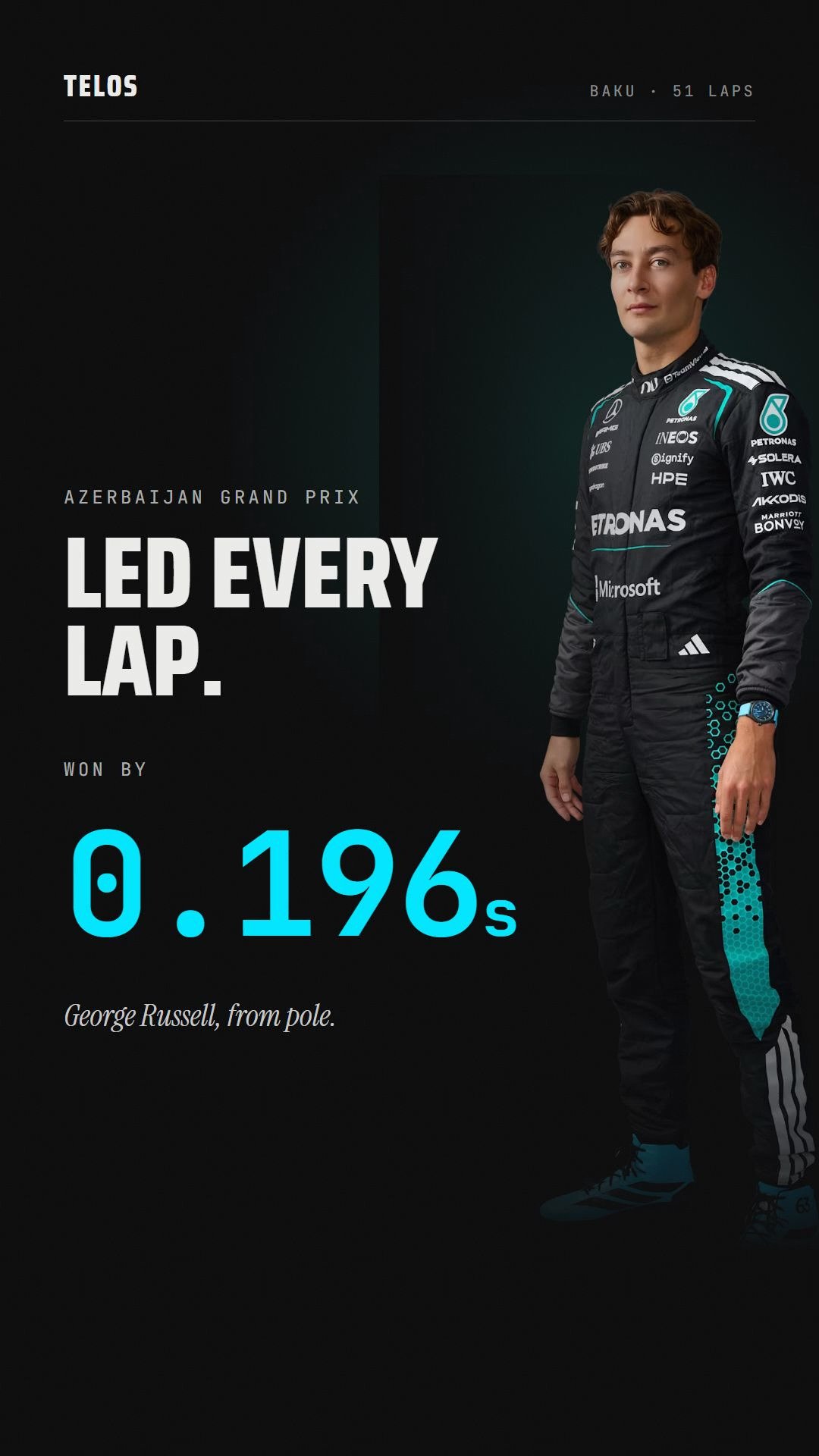
George Russell commanded the entire 51‑lap race in Baku, holding the lead from start to finish and crossing the line just 0.196 seconds ahead of his nearest rival. By lap 30 he had built a 12.8‑second advantage, a comfortable margin that suggested a straightforward win if the race had run uninterrupted.
Safety‑car interference
Two safety‑car deployments later the dynamic changed dramatically. Max Verstappen, who had started from eighth on the grid, found himself glued to his gearbox for the final 13 laps, unable to mount a genuine attack on Russell’s lead. The safety‑car periods compressed the field, effectively erasing the 12.8‑second gap that Russell had enjoyed and placing Verstappen within striking distance, yet the reduced tyre temperatures and dirty air prevented a decisive over‑cut.
The unanswered question
The key debate now centres on whether Verstappen could have caught Russell without the safety‑car interruptions. With a 12.8‑second buffer at lap 30, the pace differential required to close that gap in a clean stint would have been substantial, but the exact numbers remain speculative. What is clear is that the safety‑car periods reshaped the race’s strategic landscape, turning a comfortable lead into a nail‑biting finish.
Verstappen was glued to his gearbox for the last 13 laps, never finding a window to overtake.
Russell’s performance demonstrated flawless tyre management and consistent lap times, while the safety‑car‑induced tyre cliff left Verstappen unable to exploit any undercut opportunity. The result underscores how quickly a seemingly secure lead can evaporate under the influence of race control, and leaves the paddock pondering the impact of safety‑car timing on future Baku strategies.