
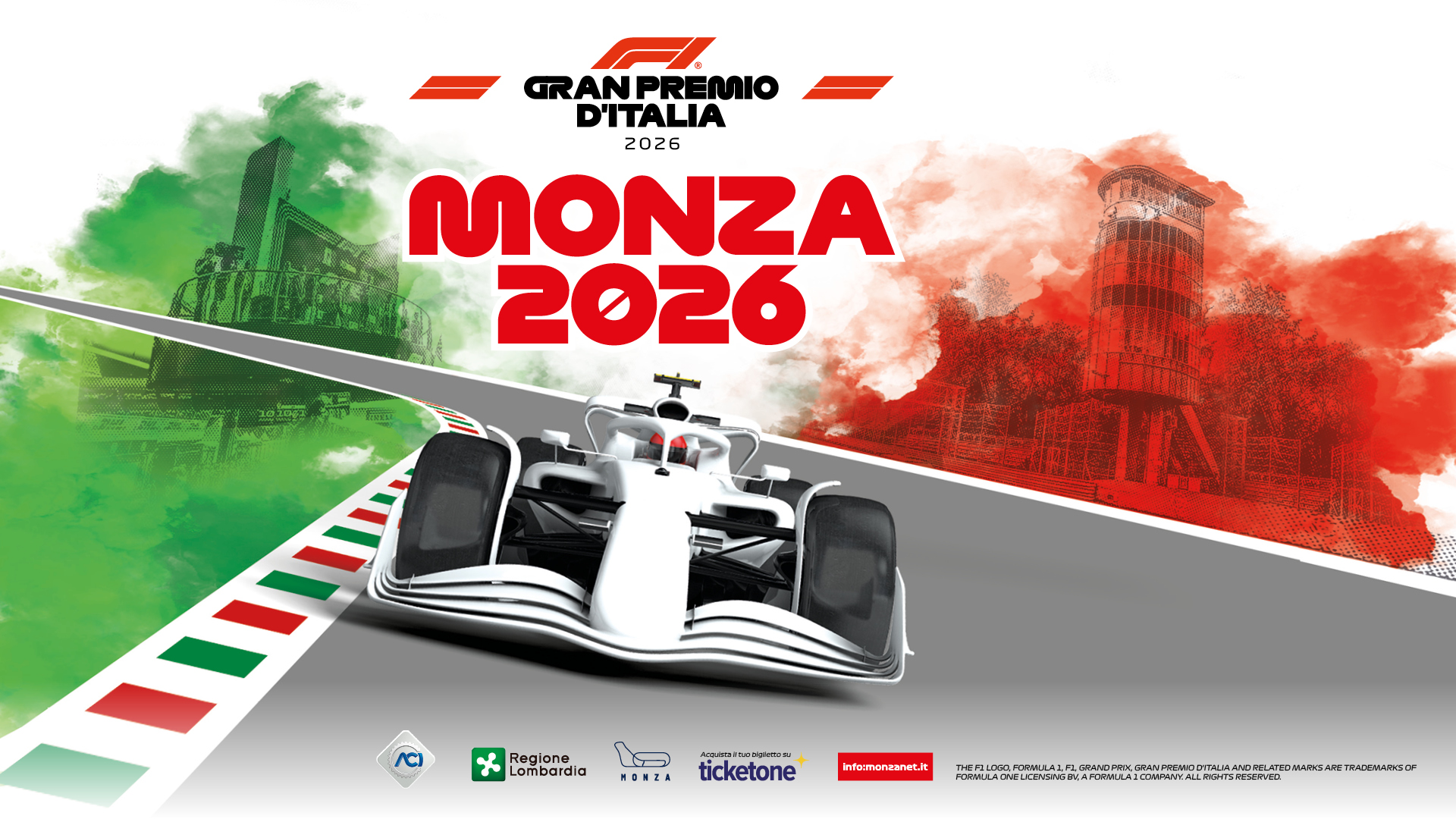
The race began with a blistering start as the pole‑sitter launched into the first chicane, the roar of the V6‑hybrid engines echoing through the historic Autodromo. Within the first lap, the midfield had already begun to fragment, a clear sign that the new 2026 power unit specifications were reshaping the competitive order.
Fuel Flow and Pace
The most striking narrative was the way the revised fuel flow limits forced teams to rethink their outright pace versus efficiency balance. The front‑row contenders, equipped with the latest iteration of the hybrid system, displayed a smoother power delivery through the high‑speed straights, but their lap times were consistently a shade slower than the 2025 benchmarks. This was not a surprise; the FIA’s mandate to reduce overall emissions has inevitably trimmed the maximum thermal output, and the data shows a modest rise in average sector times across the board.
Pit‑Stop Strategy and ERS
Strategically, the reduced fuel allowance turned pit‑stop windows into a chess game. Teams that opted for an early under‑cut found themselves battling on the pit lane for a few crucial seconds, but the real advantage lay in the later phases of the race when the fuel‑saving modes kicked in. The winning crew executed a three‑stop strategy that maximised the new ERS deployment windows, allowing the driver to extract extra power on the long back straight without breaching the stricter consumption caps.
Aerodynamics and Tyre Management
Aerodynamics also played a decisive role. The revised rear‑wing regulations, aimed at curbing turbulent wake, produced a tighter pack through the Variante Ascari. Drivers reported a more predictable handling balance, and telemetry confirms a narrower spread in lateral G‑forces compared with previous years. This homogenisation of downforce levels meant that overtaking opportunities, long a hallmark of Monza, were now more dependent on tyre management and engine mapping than sheer aerodynamic advantage.
Tyre performance was another focal point. The softer compounds supplied this season displayed a slower degradation curve, a direct response to the lower average speeds imposed by the power‑unit changes. Teams that pushed the softs to the limit in the early stint suffered a noticeable drop in grip, whereas those that staggered their usage kept a more consistent pace throughout the race. The data highlights a clear correlation between a measured tyre‑preservation approach and overall race position, reinforcing the strategic shift towards endurance over outright speed.
Driver Adaptation and Race Outcome
From a driver’s perspective, the new power unit’s torque characteristics required a subtle adaptation in braking zones. The reduced peak torque meant that drivers could carry slightly higher speeds into the chicanes, but the braking systems had to be modulated more delicately to avoid wheel lock‑up. The winner’s telemetry shows a smoother brake pressure curve, especially into the first Lesmo, suggesting that the most successful drivers are those who have integrated the new engine feel into their corner entry technique.
The podium finishers all demonstrated a harmonious blend of efficiency and aggression. The champion’s team capitalised on the revised ERS allocation, extracting just enough extra boost on the final lap to defend against a late charge from the second‑place car, which had been conserving fuel for a final push. The third‑place finisher, a midfield outfit, leveraged an early pit‑stop under a safety‑car period to leapfrog several rivals, showcasing how the new regulations have broadened the window for surprise results.
The balance between power, efficiency, and aerodynamics has shifted, rewarding teams that can translate data into disciplined strategy.
In summary, Monza 2026 delivered a compelling case study of how the sport’s latest technical directives are reshaping race dynamics. As the season progresses, the patterns observed at the Italian Grand Prix will likely echo across the calendar, offering a preview of a more nuanced, data‑centric era of Formula 1.